
Why Your Subscribers Aren't Your YouTube Audience

Your subscribers aren't who you're making videos for.

Most creators build thumbnails and titles for the audience they already have. But most of your watch time comes from people who've never subscribed. That single fact changes how packaging, retention, and the algorithm actually work. It's easy to miss if you're only looking at surface-level metrics.

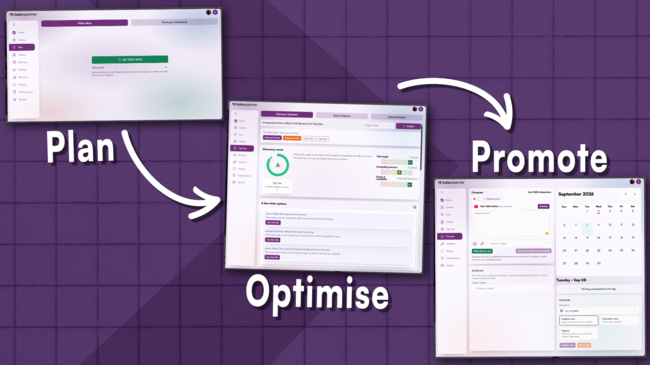
TubeSpanner Grow on YouTube
Ike

Heading
What "Packaging" Actually Means

Body

Most creators think packaging is just the thumbnail and title. It's not.

Packaging includes the first few seconds of your video too, since that's what autoplays while viewers are scrolling. Those first few seconds need to do three things:

  • Align with the thumbnail and title
  • Grab attention while someone is still scrolling
  • Confirm the value the viewer expects if they click

If any of these three pieces are out of sync, the whole package weakens, even if the thumbnail alone is strong.
TubeSpanner Channel Preview

Heading
Your Subscribers Aren't Your Audience

Body

This is the part most creators overlook.

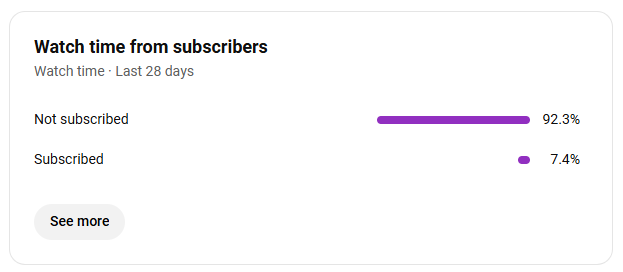
Go to your YouTube Analytics, scroll to the Audience tab, and check your watch time from subscribers. In most cases, you'll find that 80 to 90 percent (or more) of your watch time comes from people who haven't subscribed.

Think about what that means for your thumbnails. If the vast majority of viewers seeing your thumbnail have never seen your channel before, it needs to work for someone with zero context, not just for your existing fans.

watch time from subscribers

Heading
What Is Session Watch Time?

Body

This is a concept that doesn't have an official name, but it's something YouTube clearly tracks and rewards.

Session watch time (or studio watch time) is the idea that a viewer gets pulled onto YouTube to watch one video, and then keeps watching more. There isn't a public metric showing this per viewer, but YouTube notices the pattern.

If a video performs well on an external site or in Google Search, and viewers from that video go on to watch multiple videos on your channel afterward, YouTube picks up on that behavior and responds accordingly.

people watching tv

Heading
How the Algorithm Actually Works

Body

Most creators think of it like this: you publish a video, and YouTube shares it out.

That's not quite right.

The algorithm isn't focused on your video. It's focused on the viewer, trying to predict what they want to watch next based on their history, the device they're on, the time of day, and dozens of other signals it has collected over time.

The takeaway: if you want the algorithm to push your content further, the content needs to hold up under viewer behavior, not just exist.

person looking at phone

Heading
How to Get Viewers to Binge Your Content

Body

Returning viewers matter more than most creators realize. It often takes several videos before someone commits to subscribing, so the goal becomes: how do you pull a viewer from one video into the next?

A few tactics work well here:

  • If your video is part of a story or series, include a quick clip from the previous video and explain how it connects
  • End your current video with a glimpse of what's coming next
  • Use a series playlist so YouTube recommends your videos in the correct order
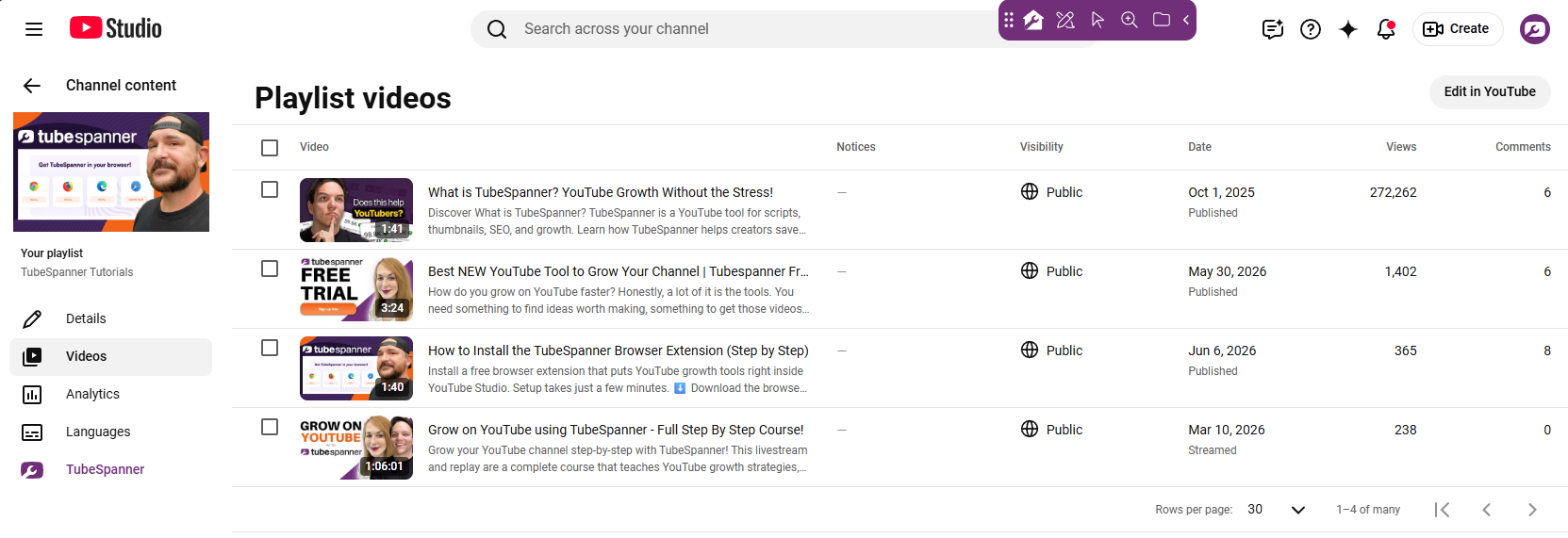
TubeSpanner playlist videos